
A Zone is a Zone is a Zone?
Forum Archives
Lisa A
Posted: Jul-06-2004 at 6:24pm
Bakingbarb, this post was prompted by your queries under the peatmoss thread but I figured there are others who would also benefit from this information.
USDA zones divides the US and Southern Canada into 10 zones. Check out the United States National Arboretum's site for information about the USDA zone map. You can click on your state to bring up another page with additional information. Much of the maritime NW is zone 8, which is the same zone as Atlanta, Georgie. Well, if you've ever been to Atlanta, Georgia, you know that our summers are quite different than theirs. While plants rated for zone 8 gardens will survive in both Atlanta and here, they may not thrive as well in both regions because of other factors, such as timing of rainfall, summer humidity, summer night heat, etc.
And that's where Sunset zones come in. Sunset factors into their zones all the various climatic differences, dividing the Western half of the continental US into 24 zones. Here's a map of Sunset zones for Oregon and Washington. The Sunset Western Gardening Book will provide additional information regarding their zones and is an invaluable tool for the gardener (often dubbed the gardener's bible).
And if that's not enough to muddle the waters for you, AHS has developed a Heat Zone map (USDA zones deal with winter temps, Heat Zone map deals with summer temps). Check out the Heat Zone map found on Monrovia Nursery's site.
IME, the majority of gardening books and plant information will refer to USDA zones, not Sunset or AHS Heat zones. This is a fairly safe assumption but it is always a good idea to make sure that everyone is talking the same zone language to avoid misunderstandings. THE AHS Heat Zone map is still fairly new and so far, I have seen little reference to it in the industry.
btw, when I worked at a nursery, I used USDA zones as a rule to avoid confusing my customers. The exceptions were when I had customers who were more garden savvy and already aware of the many differences our region has, including microclimates found within their garden.
To further your own knowledge about our growing environment with specific information regarding growing edible plants in the PNW, check out the PNW climate zone map developed by Raintree Nursery. To my knowledge, their zone information has a pretty limited distribution and knowledge base - likely only used by them, their customers and a few other select groups (I didn't know about it until Gary posted it for us recently).
gary
Posted: Jul-07-2004 at 8:13am
Yes, I like the Raintree map as does Seattle Tilth and they use in their book, Maritime Northwest Garden Guide. It is a great source of monthly flower and edible gardening tasks for our climate. What and when to sow, inside or outside, first half of month or last of the month, etc. Another that belongs on the shelf of everyone.
That heat zone brings out Lisa's Alanta remarks. Yes, we and Atlanta are both USDA 8's but Atlanta is a Heat Zone also compared to our 4. The difference is 100+ days above 86F versus less than 30.
The USDA map can tell you if Brussels sprouts will survive the winter. The Heat Zone map will tell you how many cycles of late tomatoes you can grow each summer.
Gary
JeanneK
Posted: Jul-07-2004 at 8:29am
Nice thread, Lisa! Thanks for pulling all the maps together. It's great to have them all together for reference. Nice descriptions too. Thanks! Too bad these maps don't have zoom capability. It would be nice to move in on some of the areas. LOL.
Jeanne
growsherown
Posted: Jul-07-2004 at 9:02am
Now, if we could just get the nursery plant tags to change over to this zone system....grrrrrrrrr! Talk about confusing!
Oh well...wishfull thinking on my part!
Sydnie
Posted: Jul-07-2004 at 12:36pm
Good information Lisa. I may get all of this zone stuff yet.
Wanda
Posted: Jul-07-2004 at 1:45pm
Zones? What zones? You mean people actually consider the zone when buying plants? Incredible. Fortunately, I can grow anything in my garden, any zone. Until they die, that is. But I'm sure it has nothing to do with zones!
Lisa - maybe this should be a permanent feature somewhere on this site (is it already?) or a sticky topic that new people can read? Thanks for putting it all together. -Wanda
gary
Posted: Jul-07-2004 at 5:35pm
Zones, Maps, what do you want? Courtesy of Lisa's OSU, take a look at these Climate maps for May 2004 by putting your curser on the links on the right side of the page at:
Latest Climate Maps
Gary
tommyb
Posted: Jul-08-2004 at 6:55am
Wanda's got it right: we don't need no steeenking zones!! If Cistus sells it, it grows here.
Micro climates, real or created, are just excuses for spending cash or stealing plants. Zones are just a way for growers to charge more for exotic plants. And to avoid replacing the orchid you planted in your yard.
That's my story and I'm sticking to it.
Now, where'd I put those drylandus cranberrius starts?
Tom
Lisa A
Posted: Jul-08-2004 at 9:14am
LOL, Wanda and Tom! You two are living on the edge, ignoring the zone "rules!"
Gary, thanks for the great link, although I wish we could zoom into our region for more detail. Or maybe we can and I missed the instructions to do this?
bakingbarb
Posted: Jul-08-2004 at 10:19am
Lisa, thank you for the work you put into that. Lots of information.
I lived in Michigan for 18 years and was hot hot hot and humid in the summer but and this is a big but,but the winters are harsh. So even if we had so much heat it barely put us in zone 5. That would make the average person confused if they thought that zone 5 is the same as Sunsets zone 5. thanks again.
Barb
BakingBarb
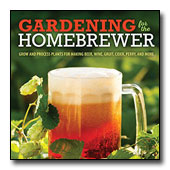
Gardening for the Homebrewer: Grow and Process Plants for Making Beer, Wine, Gruit, Cider, Perry, and More

By co-authors Debbie Teashon (Rainy Side Gardeners) and Wendy Tweton